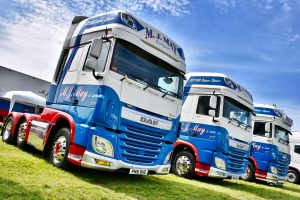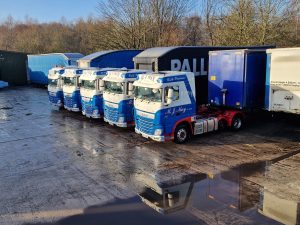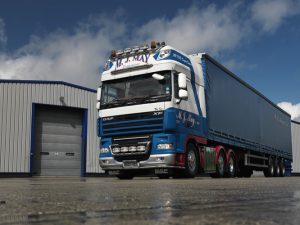
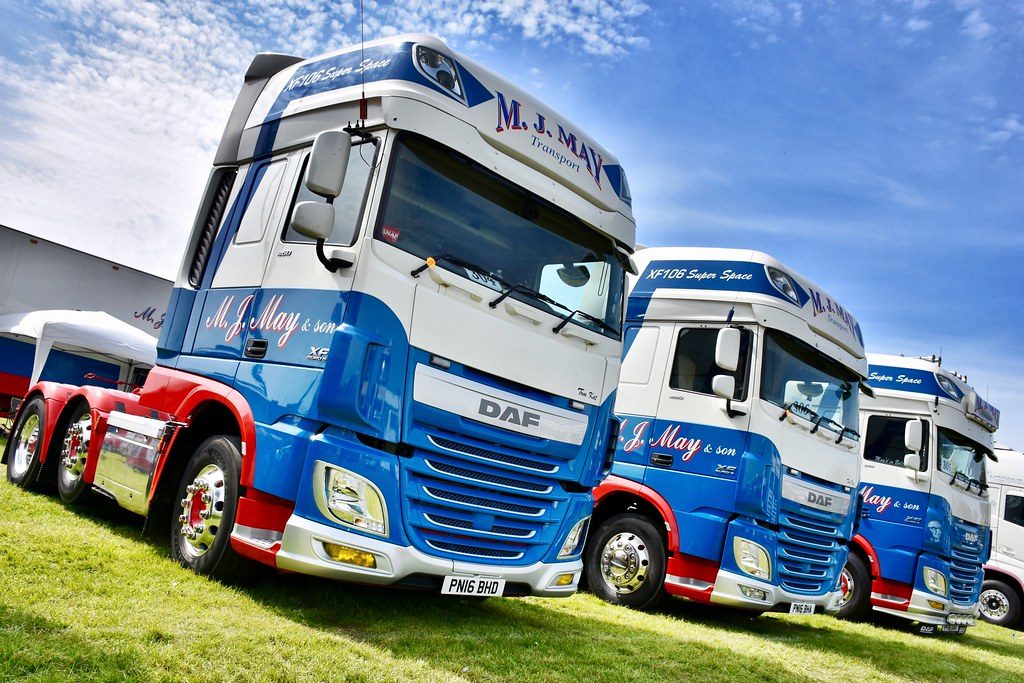
There’s an old saying in haulage: the wagon that doesn’t move doesn’t earn. It sounds obvious, but it shapes everything about how we approach the upkeep of our fleet here at MJ May Transport. A truck sat in a yard waiting for parts isn’t just costing you in repair bills — it’s costing you in missed collections, late deliveries, and the kind of reputational damage that takes far longer to fix than a brake calliper.
So here’s a look at how we think about fleet maintenance, why we invest in modern equipment, and what it means for the customers who trust us with their freight.
Planned Maintenance Beats Reactive Repair Every Time
The temptation, particularly when you’re busy and the trucks are rolling, is to deal with problems when they arise rather than before they do. We’ve seen what that approach leads to. A minor oil issue becomes a seized engine. A worn tyre becomes a blowout on the M1 at 4am. What might have been a £200 job becomes a £2,000 one — plus the cost of a recovery, a delayed load, and a very awkward phone call to a customer.
Our vehicles follow a strict planned maintenance schedule. Every truck goes through regular safety inspections, fluid checks, tyre assessments, and brake testing as a matter of routine — not just when the driver flags something up. We keep detailed service records for every vehicle in the fleet, which not only keeps us compliant but gives us a clear picture of what’s coming down the line.
Running Modern Equipment Isn’t a Luxury
There’s still a school of thought in some parts of the industry that newer trucks are an unnecessary expense — that an older wagon that’s paid for is cheaper to run than a financed modern one. In our experience, that calculation rarely holds up.
Modern trucks are quieter, more fuel-efficient, and significantly cleaner than their predecessors. Euro 6 engines, for instance, produce a fraction of the NOx and particulate emissions of older units — which matters increasingly as more UK cities introduce clean air zones and emission-based charges. Running older equipment into restricted zones isn’t just bad for the environment; it’s bad for the bottom line.
Beyond emissions, modern trucks come equipped with driver assistance technology that genuinely makes a difference — lane departure warnings, automatic emergency braking, fatigue monitoring systems. These aren’t gimmicks. They’re tools that protect our drivers, other road users, and the freight we’re carrying.
The Driver’s Role in Fleet Health
No maintenance programme works without buy-in from the people behind the wheel. Our drivers carry out daily walkaround checks before every shift — tyres, lights, mirrors, coupling security, load security. It takes ten minutes and it catches things that no workshop inspection would ever see, because the driver knows their vehicle.
We encourage our team to report anything unusual immediately. A vibration that wasn’t there yesterday. A brake pedal that feels slightly different. These small observations, acted on quickly, prevent the kind of failures that cause accidents and write-offs. A driver who flags something early is doing their job properly. A driver who ignores it is creating a problem for everyone.
Compliance Isn’t a Box-Ticking Exercise
Operator licensing, vehicle inspections, tachograph compliance, driver hours — the regulatory framework around road haulage exists for good reason, and we take it seriously. Not because we’re worried about DVSA rolling into the yard, but because the standards it sets are genuinely the right way to run a safe, professional operation.
Maintaining a clean compliance record also matters commercially. More and more large shippers and 3PLs require their haulage partners to demonstrate robust compliance before they’ll award a contract. Your maintenance records, your O licence history, your drivers’ CPC status — these are increasingly part of the due diligence process. The operators who treat compliance as a burden are the same ones who find themselves losing work to those who treat it as standard practice.
What This Means for Our Customers
Ultimately, everything we do around fleet maintenance comes back to one thing: reliability. When you book a collection with MJ May Transport, you’re not gambling on whether the truck will show up. You’re working with an operator who has taken every reasonable step to make sure it does — and that if something unexpected does happen, we have the contingency in place to keep your freight moving.
We’re proud of the fleet we run and the standards we hold ourselves to. In an industry where cutting corners is always an option, we’d rather be known for the opposite.
MJ May Transport provides haulage and freight distribution services across the UK. To find out more about working with us, get in touch with the team today.